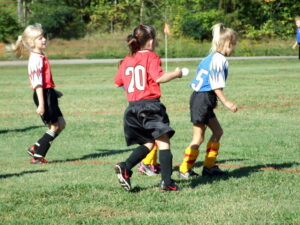
Most parents wonder when their child can begin playing soccer in Cochrane. Generally, children as young as four years old can join introductory programs that focus on basic skills and teamwork. These early stages are designed to promote physical activity, build social skills, and instill a love for the game. As you consider enrolling your child, it’s crucial to assess their interest and readiness, ensuring a positive experience and a lifelong passion for soccer.
Key Takeaways:
- Children as young as 3 years old can start participating in soccer programs in Cochrane.
- Different age divisions and developmental programs are available to cater to various skill levels and promote gradual learning.
- Early participation focuses on fun, basic skills, and teamwork, making it a great introduction to the sport.
The Right Age: When to Kick Off
In Cochrane, the right age for your child to start playing soccer largely depends on their individual development and readiness. Most programs begin at the age of 3, where the focus is on fun and basic motor skills rather than competition. As children grow older, they transition into more structured leagues that emphasize teamwork and game strategy. By around 5 to 6 years of age, kids can engage in organized practices and matches, refining their skills while fostering a love for the sport.
Recommended Age Groups in Cochrane
Cochrane offers a variety of age-specific soccer programs to cater to the developmental stages of young players. Typically, children as young as 3 participate in introductory programs, while older age groups—ranging from U5 (5 years old) to U18 (18 years old)—provide more structured gameplay and competitive opportunities. These divisions accommodate the growing skills and understanding of soccer, ensuring that all children, regardless of age, can find a suitable league.
Age-Specific Skill Development and Expectations
As your child progresses through age groups, the expectations and developmental goals change significantly. For younger players, the emphasis is on basic techniques like dribbling, passing, and coordination. In contrast, older children focus on advanced gameplay strategies, teamwork, and individual skills. This progressive skill development allows your child to gain confidence and improve their performance, setting the foundation for a lifelong enjoyment of soccer.
At the youngest levels, children develop fundamental motor skills such as running, jumping, and kicking, often through fun games that keep their interest alive. For instance, by age 5, they typically start to learn about positions and basic rules, leading to greater awareness in the game. As they reach the U7 and U9 categories, players are introduced to small-sided games, promoting tactical understanding along with individual skill refinement. By the time they reach U12 and above, they are not only enhancing their techniques but also beginning to navigate more complex strategies and roles within a team environment, preparing them for potential competitive play. This phased approach ensures your child builds a solid foundation, both in skills and love for the game.
Local Clubs and Programs: Where to Start
Overview of Soccer Organizations in Cochrane
Cochrane boasts several reputable soccer organizations, offering diverse programs tailored to different age groups and skill levels. Clubs like the Cochrane Minor Soccer Association provide well-structured pathways for developing players. These organizations emphasize teamwork, skill development, and community involvement, ensuring a supportive environment for young athletes. Additionally, many clubs are affiliated with provincial and national soccer bodies, ensuring that your child receives quality coaching and experiences in line with recognized standards.
Popular Programs for Young Players
For young soccer enthusiasts in Cochrane, programs like the Tiny Tykes and U5 divisions are particularly popular. These initiatives focus on foundational skills while creating a fun, engaging atmosphere that nurtures a love for the game. With sessions designed for children as young as three, kids participate in age-appropriate drills and games that foster teamwork, coordination, and social interaction.
The Tiny Tykes program encourages exploration of basic skills through fun activities, ensuring children develop foundational soccer abilities without the pressure of competition. For slightly older players, U5 divisions introduce them to friendly matches while maintaining a strong emphasis on development rather than winning. Such programs not only improve soccer skills but also promote physical fitness, discipline, and community engagement, making them ideal starting points for your child’s soccer journey in Cochrane.
Benefits of Early Participation: The Impact on Development
Engaging in soccer from a young age lays a solid foundation for your child’s overall development. Early participation fosters not only physical attributes, such as coordination and agility, but also enhances cognitive skills like decision-making and strategy. The experience teaches valuable life lessons, including teamwork, discipline, and resilience, setting the stage for successful interactions both on and off the field.
Physical and Social Advantages of Playing Soccer Early
By introducing your child to soccer early, you provide them with the opportunity to improve their physical fitness while also developing important social skills. As they run, kick, and learn the game, they enhance their motor coordination, balance, and endurance. Simultaneously, the sport encourages social interactions, helping children build friendships while learning to cooperate and communicate effectively with peers.
Long-Term Benefits of Youth Soccer Engagement
Participation in youth soccer can have lasting benefits that extend well beyond childhood. Studies have shown that children involved in structured sports tend to excel academically, develop better time management skills, and exhibit higher levels of self-esteem. As they transition into adolescence and adulthood, your child will carry these valuable skills into various aspects of life, including educational pursuits and future career opportunities.
The long-term impact of youth soccer is evident in numerous areas of life. Children who participate in team sports often develop a love for physical activity that carries into adulthood, potentially reducing the risk of obesity and related health issues. Furthermore, the friendships and connections formed through soccer can lead to a broader social network, enriching their lives and providing support systems that last a lifetime. Engaging in soccer teaches not just the sport itself, but the importance of commitment, leadership, and the joy of working towards common goals with others.
What Parents Should Know: Preparing for the Season
Before the season kicks off, familiarize yourself with the program’s structure and any league requirements. Attend parent meetings to understand the basics of your child’s team schedule, practice times, and game locations. Ensure you have a solid plan in place for transportation and practice attendance, as consistent participation significantly boosts your child’s development and enjoyment. Being organized will also enhance your child’s experience and encourage them to build lasting friendships on the team.
Essential Gear and Equipment for Young Players
Your child will need a few necessary items to play soccer safely and comfortably. Start with a well-fitting pair of soccer cleats and shin guards designed for young athletes. A size-appropriate soccer ball is also necessary, usually a size 3 for kids aged 5-8. Don’t forget comfortable athletic clothing, such as moisture-wicking shirts and shorts, as well as a water bottle to keep them hydrated during practice and games.
Supportive Strategies for Involvement and Encouragement
Encouraging your child’s involvement in soccer extends beyond just cheering them on during games. Take part in team activities or volunteer for roles like a team parent, which fosters a sense of community and support. Engage in conversations about their feelings and experiences related to soccer, and help them set personal goals to develop their skills. Celebrate their progress, whether it’s improving their footwork or making a new friend, reinforcing their love for the game.
Staying actively involved in your child’s soccer journey creates a positive atmosphere for growth. Share special moments, like their first goal or successful teamwork, by highlighting their achievements, which will build their confidence. Arrange regular practice sessions at home, offering guidance and support as they hone their skills, while keeping the sessions fun. Encouraging them to invite friends to play reinforces social connections and nurtures a love for the game, making soccer an exciting and rewarding experience.
Choosing the Right Fit: Assessing Team Competitions and Level
Deciding between recreational and competitive leagues can significantly impact your child’s soccer experience. Evaluating the level of competition ensures your child is placed in an environment where they can develop skills, enjoy the game, and thrive socially. You’ll want to match the league’s focus on fun and development with your child’s personality and skills, helping you create a positive journey through youth soccer.
Understanding Recreational vs. Competitive Leagues
Recreational leagues focus on participation, skill development, and enjoyment, making them ideal for younger players or those new to soccer. Competitive leagues, however, emphasize performance and often require more commitment in terms of time and training. Your choice should align with your child’s interests, personality, and overall goals in the sport.
Factors in Selecting the Best Program for Your Child
Selecting the right soccer program involves considering various factors. Reflect on your child’s age, skill level, and dedication to the sport. Other considerations include the league’s reputation, coaching quality, and availability of practice times. You want to find an environment that fosters growth while ensuring your child remains engaged and excited about soccer. The right fit can enhance their love for the game.
- Child’s age
- Skill level
- Coaching quality
- League reputation
- Practice availability
In evaluating these factors, take the time to observe practices or games if possible. Engaging with other parents or asking coaches about their methods offers insight into the program’s values and goals. Open communication with your child about their preferences also plays a vital role, allowing them to express what they enjoy most about soccer. The right program will inspire both personal and athletic growth.
- Observing practices
- Engaging with parents
- Asking coaches
- Open communication
- Personal preferences
Conclusion
So, if you’re considering introducing your child to soccer in Cochrane, you can start as early as age four in recreational leagues. This age allows for the development of basic skills while enjoying the game in a fun environment. As your child grows, they can progress to more structured teams and competitions. Engaging your child in soccer not only promotes physical fitness but also fosters teamwork and social skills. Be sure to check with local clubs for specific offerings and age requirements!
Q: What age can my child start playing soccer in Cochrane?
A: In Cochrane, children typically start playing soccer at the age of 4. There are programs available for this age group that focus on developing basic skills such as dribbling, passing, and teamwork in a fun and engaging environment. It’s a great way for young children to begin learning the fundamentals of the game.
Q: Are there specific leagues or clubs for younger children in Cochrane?
A: Yes, Cochrane has several soccer clubs that offer programs specifically designed for younger children, typically starting at age 4 and continuing through age 12 and beyond. Organizations like Cochrane Minor Soccer Association provide structured leagues that cater to different age groups, focusing on skill development, game understanding, and fostering a love for the sport.
Q: Is there a minimum skill level required for my child to start playing soccer?
A: No, there is no minimum skill level required for children to start playing soccer in Cochrane. Programs are designed to accommodate children of all skill levels, ensuring that each child feels included and is encouraged to improve. The emphasis is on having fun, making friends, and developing a foundation in soccer skills, rather than competitive performance.