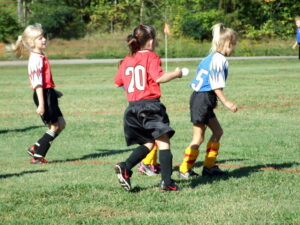
You may not think soccer and ice hockey share much, but both sports exhibit a fierce competitive spirit and require immense athletic skill. I find it fascinating how each sport emphasizes teamwork, as players must communicate and strategize effectively to succeed. You will also notice the importance of quick reflexes and strategic thinking in both games. Moreover, the adrenaline rush and excitement they offer can ignite a passionate fan base. By exploring these similarities, we can appreciate the underlying elements that make each sport unique yet alike.
Key Takeaways:
- Both sports rely heavily on teamwork and strategic play to succeed.
- Players must possess a high level of skill and agility to navigate fast-paced, dynamic environments.
- Physical contact and an emphasis on defense are integral components in both soccer and ice hockey.
The Adrenaline Factor: High-Octane Environments
Intensity and Pace of Play
Both soccer and ice hockey thrive on fast-paced action that keeps players and spectators on the edge of their seats. Each game is marked by rapid transitions, where teams switch from defense to offense in the blink of an eye. The constant movement, coupled with the potential for sudden scoring opportunities, intensifies the competition, driving athletes to showcase their physical prowess and strategic acumen. The swift rhythm of play demands not only stamina but also split-second decision-making, making every moment count in both sports.
The Role of Fans and Atmosphere
The electric atmosphere created by fans in soccer stadiums and ice hockey rinks is a pivotal aspect of both sports. Enthusiastic supporters engage in chants, songs, and cheers that resonate throughout the venue, fostering a collective energy that fuels the players. This vibrant environment amplifies the stakes of every match, as players often feed off the excitement and passion from the crowd, igniting their performances. Each goal or crucial play brings an eruption of sound, reinforcing the connection between fans and athletes.
In an ice hockey arena, the sound of blades cutting through ice merges with the roar of fans, creating an immersive experience unlike any other. Similarly, in soccer stadiums, the collective surge of emotion from thousands can shift the momentum of a match. For instance, during critical matches like the FIFA World Cup or Stanley Cup playoffs, the intensity of cheering fans can elevate the stakes, transforming an ordinary game into a memorable spectacle that players will carry with them beyond the pitch or rink. Community attachments and rivalry add a layer of meaning that deepens the passion surrounding these sports.
Lifecycle of a Game: Strategy and Adaptation
Both soccer and ice hockey demand constant strategic evolution throughout a match, as teams adjust their tactics based on the flow of the game. The ability to read the opposing team’s formation and anticipate their next moves is vital. Players and coaches must be agile in their decision-making, responding to emerging challenges in real-time to maximize their chances of success.
Tactical Advancement on Ice and Field
On the field and the ice, tactics evolve from game to game, influenced by opponent strategies and player performances. In soccer, formations like 4-4-2 or 3-5-2 can be adapted based on an opponent’s strengths or weaknesses. Ice hockey showcases similar adaptability with line changes and defensive schemes, allowing teams to exploit vulnerabilities and respond to pressure.
In-Game Adjustments and Coaching Decisions
Effective in-game adjustments can define the outcome of a match. Coaches use timeouts and intermissions to analyze game dynamics, instruct players on new tactics, and even shift the focus of play. With advanced analytics, decisions such as deploying a specific line in hockey or altering player roles in soccer can lead to pivotal shifts in momentum during critical moments.
During games, I’ve witnessed how timely adjustments alter an entire match’s trajectory. Coaches like Mike Sullivan of the Pittsburgh Penguins often call tactical timeouts to review strategies and switch formations, creating immediate impacts. Similarly, soccer managers analyze passing patterns and defensive setups, often resulting in last-minute substitutions that change the game’s outcome dramatically. This adaptability showcases not only the players’ versatility but also the coaches’ skills in reading the game’s pulse and responding dynamically.
The Physical Demands: Endurance Meets Agility
Both soccer and ice hockey require an intricate blend of endurance and agility. Players engage in high-intensity bursts of activity, whether sprinting down the pitch or darting across the ice. This physicality asks for not only stamina but also rapid directional changes, making it crucial for athletes to develop their bodies to withstand these demands throughout the game.
Conditioning Regimens for Athletes
Conditioning for soccer and ice hockey athletes often includes a mix of aerobic and anaerobic exercises. I focus on interval training, often mimicking game scenarios, with sprints paired with periods of lower intensity. This method enhances my capacity to recover quickly between explosive efforts, which is critical in both sports.
Injury Patterns and Prevention Strategies
In soccer and ice hockey, player injuries are often linked to the intense physical demands and collisions inherent in both sports. Common injuries include sprains, fractures, and concussions. Tailored prevention strategies involve strength training, flexibility exercises, and the use of protective gear to mitigate risks.
In detail, I observe that soccer players frequently suffer from knee injuries due to sudden stops and changes in direction, while ice hockey players often face shoulder and concussion risks from checking. Implementing a solid warm-up routine and integrating prehabilitation exercises can significantly reduce the likelihood of these injuries. Additionally, proper education on body mechanics plays a vital role in injury prevention, ensuring athletes recognize the limits of their physical capabilities while competing.
Cultural Impact: Fandom and Community Bonding
Throughout history, soccer and ice hockey have fostered deep connections between fans and their communities. Communities rally around their teams, creating a tapestry of shared experiences, traditions, and identity. Events such as match days transform towns and cities into vibrant celebrations of local pride, where the joy of victory or the agony of defeat is collectively felt. The intense loyalty displayed by fans often translates into lasting bonds that span generations, reinforcing a sense of belonging that transcends the boundaries of the sport itself.
Regional Influence and Identity
Regional identities emerge vividly through these sports, with local teams often representing the heart and soul of communities. For instance, in hockey, cities like Toronto and Montreal are synonymous with their teams, embodying local culture, history, and pride. Similarly, cities such as Barcelona and Manchester steep their soccer clubs in rich local traditions, making them symbols of regional identity. This deep-rooted affinity fuels rivalries, igniting passion among fans that go beyond mere entertainment.
Global Perspectives and Cross-Cultural Engagement
Both soccer and ice hockey have transcended their regional origins, becoming vehicles for global engagement and cultural exchange. Major tournaments like the FIFA World Cup and the NHL Global Series showcase diverse playing styles and cultural expressions. These platforms allow fans from different backgrounds to unite through a shared love for the game while introducing them to new traditions and perspectives. As players move across borders, they embody a unique blend of styles and cultural influences that enrich the sports’ global tapestry.
The impact of soccer and ice hockey on cultural exchange is profound. For instance, the FIFA World Cup draws over 3.5 billion viewers globally, with nations uniting behind their teams, creating a unique atmosphere of celebration and competition. Ice hockey’s NHL Global Series brings games to international cities, allowing fans to experience the sport in various cultural contexts. This not only promotes the games but also fosters understanding and appreciation for different cultures, showcasing how sports can bridge divides and foster global unity.
Bridging the Gap: The Shared Skills of Success
Both sports rely heavily on a set of core skills that transcend the boundaries of turf and ice. Understanding how these skills interconnect opens up a pathway for athletes to enhance their performance across disciplines. The shared emphasis on precise footwork, spatial awareness, and quick decision-making emphasizes a universal foundation that can lead to greater success in either sport.
Teamwork and Cohesion as Cornerstones
Success in soccer and ice hockey is often rooted in teamwork and cohesion. Players must work in unison, leveraging each other’s strengths while compensating for weaknesses. In both arenas, effective communication is key—whether shouting tactical instructions on the field or signaling plays on the ice—ensuring seamless transitions and coordinated efforts, which can profoundly impact game outcomes.
Skills Transfer: How Skills from One Sport Enhance Performance in Another
The abilities developed in one sport can significantly bolster performance in another. For instance, the sharp hand-eye coordination required in hockey can enhance a soccer player’s control and passing precision. Likewise, the endurance and sprinting abilities honed on the soccer field can improve a hockey player’s stamina during intense shifts on the ice.
Assessing the transfer of skills highlights numerous parallels. A soccer player’s ability to read the game, anticipate opponents’ movements, and execute strategic plays translates effectively to ice hockey, where split-second decisions are imperative. Similarly, puck handling in hockey sharpens reflexes and foot speed, benefiting soccer dribbling techniques. Moreover, both sports involve sharp turns and sudden accelerations, enhancing an athlete’s overall agility. This interconnectedness isn’t merely anecdotal; studies show that athletes who cross-train in multiple sports experience improved performance metrics through the synergistic benefits of varied skill sets.
Final Words
The similarities between soccer and ice hockey highlight the universal appeal of teamwork and strategy in sports. I find that both games require quick thinking, precise coordination, and a deep understanding of team dynamics. You can engage with passionate fans and experience the thrill of competition in either sport, making them uniquely captivating. Regardless of whether you prefer the grass or the ice, your appreciation for athletic skill and strategic play will resonate in both arenas.
FAQ
Q: What are the main similarities in gameplay between soccer and ice hockey?
A: Both soccer and ice hockey involve two teams competing to score goals by getting a ball or puck into the opposing team’s net. Each sport emphasizes teamwork, strategy, and swift movement, requiring players to pass effectively, shoot accurately, and maintain possession while navigating opposing defenses.
Q: How do the physical demands of soccer compare to those of ice hockey?
A: Soccer and ice hockey both require high levels of physical fitness, with players needing stamina, strength, and agility. Soccer emphasizes continuous running and endurance, while ice hockey combines quick bursts of speed with balance and coordination on skates. Both sports also involve physical contact, though the nature and rules of contact vary significantly.
Q: In what ways do the fan experiences differ between soccer and ice hockey?
A: Soccer fans typically experience matches in large open-air stadiums, fostering a communal atmosphere with chants and songs. In contrast, ice hockey fans often attend games in indoor arenas, where the fast-paced action and frequent stoppages create an intense environment. Both sports foster strong fan loyalty, with supporters passionately following their teams.