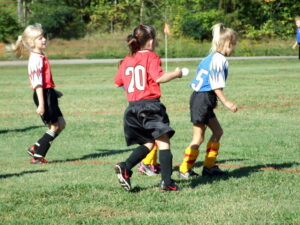
It’s vital to understand how participating in soccer can greatly enhance your child’s development. This engaging sport offers not just fun, but also fosters teamwork and communication skills. Your child will develop important physical attributes like agility and coordination, while also learning to embrace a healthy lifestyle. Beyond the physical benefits, soccer teaches children how to manage pressure and overcome challenges, laying the groundwork for resilience in everyday life. By encouraging your child to play soccer, you are providing them not just a game, but a pathway to personal growth and social skills.
Key Takeaways:
- Soccer promotes physical fitness, helping children develop strength, coordination, and overall health through regular exercise.
- Engaging in soccer fosters teamwork and communication skills, teaching kids how to collaborate effectively with others and build lasting friendships.
- Playing soccer enhances cognitive skills, such as strategic thinking and decision-making, as children learn to assess situations quickly during games.
The Physical Transformation: Building Strength and Agility
Playing soccer transforms your child’s physical abilities, enhancing strength and agility crucial for daily activities and sports. Children engage their core muscles during dribbling and passing, promoting robust muscle development. The constant running improves not only their stamina but also supports healthy weight management, leading to a more active and energetic lifestyle. Regular participation embeds physical fitness into their routine, setting a foundation for lifelong health.
Enhancing Cardiovascular Health Through Soccer Activity
Soccer serves as an excellent cardiovascular workout, significantly improving your child’s heart health. Intense running, sprinting, and quick directional changes elevate the heart rate, fostering endurance and cardiovascular fitness. According to research, children participating in soccer exhibit lower resting heart rates and better overall heart efficiency, contributing to a healthier lifestyle.
Developing Coordination and Motor Skills on the Field
Participating in soccer hones your child’s coordination and motor skills on the field, crucial attributes for both athletic performance and daily activities. Skills such as dribbling, passing, and shooting not only engage their bodies but also encourage hand-eye and foot-eye coordination, which are vital in various sports and everyday movements. Studies show that children who engage in ball sports like soccer demonstrate greater proprioceptive awareness, allowing them to perceive their body position and movement in space more effectively.
This development of coordination and motor skills transcends the field and positively impacts academic performance and social interactions. For instance, improved hand-eye coordination can enhance writing abilities and fine motor skills, while agility training boosts balance and reaction times. As your child navigates the field, they learn to adapt to their environment, developing spatial awareness that translates into improved interactions during team activities, creating both physically and mentally adept individuals.
Cognitive Advantages: Sharpening Mental Acuity
Engaging in soccer significantly sharpens your child’s cognitive abilities. The sport inherently requires quick thinking, strategic planning, and real-time problem-solving, which can bolster mental acuity. As your child navigates the field, they develop their ability to analyze complex situations and react swiftly, enhancing their overall cognitive flexibility.
Cultivating Decision-Making Skills in Dynamic Situations
On the soccer field, your child encounters fast-paced scenarios where split-second decisions can determine the game’s outcome. These dynamic situations compel them to evaluate options quickly and make choices under pressure, sharpening their decision-making skills. This practice translates to everyday life, as they learn to think on their feet and consider multiple factors before acting.
Boosting Focus and Concentration through Team Strategies
Participating in soccer fosters enhanced focus and concentration, important elements for effective teamwork. As your child cooperates with teammates, they learn to stay attentive to strategies and game tactics, which helps them maintain mental engagement during play. This collaborative environment encourages them to actively listen and stay present, ultimately honing their concentration skills.
The emphasis on teamwork in soccer is a pivotal factor in developing focus and concentration. Engaging with teammates to execute plays and understand formations requires continuous mental engagement and situational awareness. For instance, discussions during practice about formations or tactics demand that players remain actively involved. This synergy not only strengthens camaraderie but also ensures that your child masters the art of paying attention and anticipating plays, invaluable skills that extend beyond the game into their academic and social endeavors. As they learn to collaborate effectively, their ability to concentrate noticeably improves.
Social Dynamics: Fostering Teamwork and Communication
Participating in soccer cultivates important social skills that are vital for your child’s development. As players learn to communicate effectively on the field, they’re also developing the ability to express their thoughts and ideas clearly in everyday situations. The fast-paced nature of the game prompts children to engage with teammates and opponents alike, honing their interpersonal skills while building a sense of community within their team.
Strengthening Relationships and Friendships among Peers
Playing soccer offers a unique opportunity for your child to forge strong bonds with their peers. The shared experiences on the field, from celebrating victories to overcoming losses, create lasting memories that deepen friendships. Being part of a team fosters a sense of belonging, providing your child with a support network that extends beyond the soccer pitch, promoting social interaction and reducing feelings of isolation.
Encouraging Conflict Resolution and Cooperation during Play
Soccer provides a platform for your child to learn how to navigate conflicts and work collaboratively with others. When disagreements arise during the game, whether it’s a miscommunication or different playing styles, your child gains valuable experience in negotiating and finding common ground with teammates. This practice translates to other facets of life, helping them become more adaptable and empathetic in group settings.
Learning to resolve conflicts on the soccer field empowers your child with skills that are directly applicable to school and social scenarios. For instance, during a match, a child might encounter a situation where a teammate disagrees about a play. By discussing their perspectives, they can develop negotiation skills that encourage compromise and understanding. These interactions enable them to recognize different viewpoints, learn patience, and foster respect, making them better equipped to handle conflict in future collaborative environments.
Emotional Growth: Resilience and Confidence-Building
Soccer provides your child with invaluable opportunities for emotional growth, particularly in building resilience and self-confidence. Facing the highs and lows of winning and losing on the field teaches your child how to bounce back from setbacks, fostering a mindset that’s adaptable and determined. This can translate to other areas of life, helping them confront challenges head-on, whether in academics or personal relationships.
Overcoming Challenges: The Psychological Impact of Competition
Competition in soccer presents various challenges that require mental toughness and perseverance. Your child learns to navigate pressure situations, such as penalty kicks or key matches, enhancing their ability to manage anxiety and stress. These experiences are vital for developing a robust psychological framework, allowing your child to maintain focus and stay composed, qualities that will assist them well beyond the soccer pitch.
Gaining a Sense of Achievement and Self-Worth through Sports
Once your child experiences the thrill of success in soccer, their self-worth begins to flourish. Whether scoring a goal, assisting a teammate, or simply improving their skills, these achievements provide tangible evidence of their hard work and talent. This sense of accomplishment contributes significantly to their overall self-esteem, encouraging them to set and pursue higher goals both in sports and in life.
The journey in soccer is filled with milestones that serve as markers of progress, amplifying your child’s sense of achievement. For instance, successfully executing a tricky play or receiving praise from coaches and teammates reinforces their effort and dedication. Novice players who transform into skilled athletes enjoy a unique sense of pride that can boost their self-worth significantly. Additionally, feedback from supportive adults plays a vital role, as encouragement fosters belief in one’s capabilities. As they experience growth in their athletic skills, they learn that persistent effort leads to success, reinforcing valuable lessons about discipline and determination.
Lifelong Lessons: The Value of Discipline and Commitment
Engaging in soccer teaches your child the significance of discipline and commitment, which are vital traits for success both on and off the field. Through consistent practice and participation, children learn that hard work and dedication lead to improvement and achievement. Setting goals, adhering to schedules, and overcoming challenges become second nature, offering valuable insights into managing responsibilities and commitments in everyday life.
Understanding the Importance of Practice and Dedication
Regular practice instills a sense of responsibility in your child. As they train and prepare for games, they begin to grasp that consistent effort is key to mastering their skills. This process reflects the idea that success often stems from dedication and perseverance, whether in sports, academics, or future endeavors. Learning to push through difficulties fosters resilience, a trait that can help them navigate various life challenges.
Creating Habits for Healthy Lifestyles Beyond Soccer
The commitment fostered through soccer extends far beyond the pitch, leading your child to adopt healthier habits in their daily lives. Exposure to physical activity can encourage them to make better nutritional choices, motivate them to engage in other sports, and cultivate a passion for staying active. As they witness the connections between fitness, well-being, and overall health, lasting habits take root, equipping them for lifelong health.
Nurturing healthy lifestyles can manifest in various ways as kids transition from soccer practice to home life. They may begin to prefer nutritious snacks, opt for outside playtime instead of screen time, or develop a routine that emphasizes physical activity. Furthermore, understanding the discipline required for soccer can translate into homework habits and time management, ultimately promoting a holistic approach to well-being that integrates fitness with academic success and personal growth.
Conclusion
Taking this into account, engaging your child in soccer can significantly enhance their development in various areas. Through teamwork, they learn valuable social skills, while physical activity boosts their health and fitness. Additionally, the sport fosters discipline, focus, and resilience, shaping their character and mental strength. By supporting your child’s soccer journey, you are not just promoting physical activity; you are instilling important life skills that will serve them well beyond the field.
Q: What physical benefits does playing soccer provide for children?
A: Soccer is an excellent way for children to improve their physical health. Engaging in this sport helps develop cardiovascular fitness, strength, coordination, and flexibility. As children run, kick, and maneuver the ball, they enhance their muscle strength and endurance. Moreover, soccer encourages the development of motor skills, which are imperative for overall physical development. These health benefits can promote a more active lifestyle and reduce the risk of obesity.
Q: How does playing soccer contribute to a child’s social skills?
A: Participating in soccer teaches children valuable social skills by promoting teamwork and cooperation. When children play as part of a team, they learn to communicate, respect one another, and work towards a common goal. These interactions can help them build friendships and develop empathy, as they understand the importance of supporting teammates and celebrating successes together. Through these experiences, children also learn how to handle victories and defeats gracefully, fostering resilience and good sportsmanship.
Q: In what ways does soccer enhance cognitive development in children?
A: Soccer can be an effective tool for cognitive development in children. The sport requires quick decision-making, strategic thinking, and problem-solving skills as players must constantly assess their surroundings and make split-second choices during the game. This mental engagement can sharpen their ability to focus and concentrate. Additionally, playing soccer can improve spatial awareness and hand-eye coordination, as children learn to judge distance and timing when passing or shooting the ball.