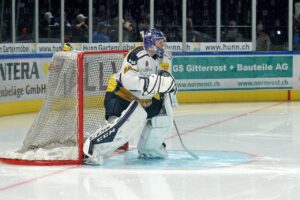
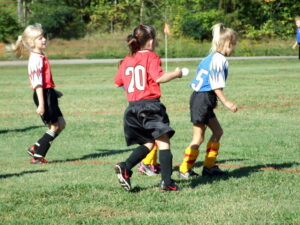
It’s fascinating to explore the striking similarities and key differences between soccer and hockey, two of the most popular sports worldwide. You may be surprised to find that both sports stress teamwork, strategy, and athleticism, but they differ significantly in rules, equipment, and playing environments. In this post, I will guide you through the unique characteristics of each game while highlighting their common traits, showing how they both captivate millions of fans and players alike.
Key Takeaways:
- Both sports involve teams competing to score goals, but soccer uses feet while hockey employs sticks and pucks.
- Soccer has continuous play with fewer stoppages, whereas hockey features frequent pauses for penalties and line changes.
- Player positions differ, with soccer emphasizing formations and roles on the field, while hockey includes distinct forward and defensive units on ice.
Cultural Footprints: How Soccer and Hockey Shape National Identities
Soccer and hockey not only entertain; they serve as vital components of national identity. Through passionate fandom and international tournaments, these sports foster a sense of community and belonging. In countries like Brazil and Argentina, soccer reflects deep-rooted cultural expressions, while in Canada and the northern United States, hockey represents resilience and unity. The influence of these sports often transcends regional boundaries, bringing citizens together during moments of triumph and despair, shaping how nations perceive themselves and their place in the world.
The Role of Soccer in Global Unity and National Pride
Soccer stands as a unparalleled force for global unity, often igniting national pride during events like the FIFA World Cup. Millions gather to support their teams, with the sport serving as a common language that bridges divides. Countries rally behind their colors, transforming cities into vibrant displays of national spirit. For instance, the 2014 World Cup in Brazil saw an influx of over 3 million tourists, showcasing how soccer can strengthen economic and cultural ties while elevating national identity on a global stage.
Hockey’s Unique Bond with North American Culture
Hockey uniquely embodies the spirit of North American culture, particularly in Canada where it is more than just a sport; it’s a national pastime. This bond is evident in the NHL’s widespread popularity and the emotional energy surrounding local teams. Cities light up during playoff seasons, with fans filling arenas and gathering in homes to cheer passionately. Events like the Stanley Cup playoffs symbolize unity and pride, often leading to local celebrations or, at times, heartbreak, underscoring the sport’s profound impact on community identity.
The NHL’s roots trace back to Canada in the 1800s, cultivating a culture that profoundly connects with local identity. Cities such as Montreal and Toronto display vibrant rivalries, deepening the cultural significance of the game. Canadian players dominate the NHL, with over 40% of the league comprised of Canadians, reinforcing the sport as a staple of national pride. Annual events like Hockey Day in Canada further enhance this connection, celebrating stories, achievements, and the sport’s role in shaping diverse communities across the continent. This unique intertwining of hockey with cultural identity solidifies its place as a symbol of resilience and togetherness in North America.
Tactical Frameworks: Strategies on the Field and Ice
In both soccer and hockey, tactical frameworks dictate how teams approach the game, shaping offensive and defensive strategies. Each sport employs unique formations, with soccer utilizing setups like 4-4-2 or 3-5-2, allowing for fluid movement and space exploitation. Conversely, hockey adopts strategies such as forechecking or neutral zone traps, emphasizing puck possession and swift transitions. Both sports demand adaptability as teams adjust tactics based on the flow of the game and their opponents’ strengths.
Comparing Offensive and Defensive Structures in Both Sports
Offensive and Defensive Structures
| Soccer | Formations like 4-3-3 focus on width and quick transitions; defensive strategies often involve zonal marking. |
| Hockey | Systems like the cycle attack promote puck retention; defensive play includes man-to-man coverage and zone defense. |
Game Flow and Dynamics: Transitioning from Offense to Defense
Transitioning from offense to defense varies greatly in soccer and hockey, with each sport exhibiting distinct dynamics. Soccer often sees teams shifting formations based on ball possession, while hockey involves rapid changes as possession swiftly dictates team roles. The quick pace of hockey necessitates immediate adjustments; defenders must anticipate plays and react in real time, whereas in soccer, defensive setups can be more structured, relying heavily on positioning and communication.
In hockey, the speed of the game demands rapid transitions, often occurring within a matter of seconds. Players must quickly shift mindset from scoring to protecting their goal, emphasizing teamwork and situational awareness. In contrast, soccer players have a bit more time to reorganize after losing possession. This fundamental difference underscores how the pace and style of play in each sport define the flow, creating unique challenges and strategies as teams adjust their focus from offensive to defensive roles. Understanding these dynamics can enhance your appreciation of both sports as they unfold in real time.
Athletic Demands: Unpacking Physical and Mental Stamina
The unique demands of soccer and hockey require athletes to possess exceptional physical and mental stamina. Preparation goes beyond just practicing skills; you must develop endurance, strength, and cognitive agility. Soccer players navigate expansive fields while maintaining high levels of energy throughout 90 minutes, whereas hockey players exert themselves in short bursts, relying on quick shifts and explosive speed. Balancing these physical requirements with mental sharpness is vital for peak performance, as athletes face continuous pressure and evolving game dynamics.
Endurance and Agility: The Physical Toll of Soccer vs. Hockey
Soccer athletes endure grueling matches that often exceed an hour and a half, demanding superior endurance and agility to maneuver across the field. Contrarily, hockey players engage in rapid sequences of play that require explosive strength and rapid recovery, emphasizing short bursts of intense activity. The nature of these sports leads to different physical tolls, highlighting how soccer stresses sustained stamina and agility, while hockey prioritizes quick transitions and agility under pressure.
Psychological Resilience: The Mental Game in High Pressure Situations
In both sports, psychological resilience plays a pivotal role during high-pressure moments. Athletes must maintain focus while adapting to rapidly changing circumstances. Consider the last minutes of a soccer match or a critical shootout in hockey; athletes’ capability to manage stress influences performance outcomes. Engaging in mental conditioning, visualization techniques, and mindfulness helps you stay composed under pressure, ensuring that your physical skills connect to effective decision-making on the field or ice.
High-pressure scenarios in soccer and hockey often mirror each other but present distinct challenges. For instance, during a penalty shootout, the psychological burden weighs heavily on shooters and goalies alike, as every decision becomes pivotal. Athletes draw upon mental resilience training to handle the stress of the moment, allowing them to execute their techniques under duress. I’ve witnessed firsthand how players prepare for such situations, employing visualization methods to create a calm mindset, enhancing their ability to perform when the stakes are at their highest.
Fan Engagement: The Social Experience of Game Day
Game day is a vibrant celebration for soccer and hockey fans, where the collective experience transcends the actual event. The energy is electric, with supporters rallying together, dressed in team colors, sharing chants, and creating an atmosphere filled with anticipation. Events like team parades, tailgating, or watch parties enhance this camaraderie, making each match not just a competition but a community affair. This sense of belonging cultivates loyalty and passion, proving that fan engagement is as critical as the game itself.
Spectator Culture: How Fans Shape the Atmosphere
Fans play a pivotal role in shaping the atmosphere of soccer and hockey games, influencing everything from team morale to match intensity. The raucous cheers and synchronized chants serve as a motivational force for players, allowing them to perform at their best. Stadiums become extensions of local culture, where traditions are passed down and unique rituals evolve, often enhancing the home-field advantage.
National Events and Their Impact on Public Participation
National events, such as the World Cup or the Stanley Cup Playoffs, significantly boost public participation in both soccer and hockey. These competitions draw in casual viewers and long-time fans alike, igniting a fervor that can transform even non-traditional audiences into passionate supporters.
During events like the FIFA World Cup, viewership skyrockets, with billions tuning in globally. In 2018, an estimated 3.5 billion people watched at least one match of the tournament. Similar spikes occur during the NHL playoffs, when local pubs and bars overflow with fans. The surge in engagement not only boosts team spirit but also encourages social interactions and fosters pride in national representation, reinforcing the unifying power of sports.
The Evolution of Play: Historical Trajectories and Modern Developments
The evolution of soccer and hockey showcases the significant shifts in both sports, influenced by cultural, technological, and social changes. From their humble beginnings in local communities to becoming global spectacles, these games have adapted to fit modern audiences and players’ needs. Innovations in training methods, playing styles, and fan engagement techniques emphasize how both sports continue to evolve while remaining rooted in their rich histories.
The Roots of Soccer and Hockey: From Local Pastimes to Global Phenomena
Soccer originated in England and can be traced back to medieval ball games, while hockey’s roots lie in various stick-and-ball games played across Europe. Both sports transitioned from informal gatherings and local competitions to highly organized leagues and international tournaments. The establishment of governing bodies like FIFA for soccer and the NHL for hockey catalyzed their global expansion, establishing platforms for talent and fan engagement that transcended borders, leading to immense popularity worldwide.
Innovations in Training and Equipment: What the Future Holds
Recent advancements in technology offer exciting prospects for the future of training and equipment in soccer and hockey. Enhanced analytics, wearable tech, and virtual reality are transforming how players prepare and how coaches develop strategies. These innovations, alongside improved materials for gear and safety equipment, will likely change the game dynamics, making training more efficient and reducing injury risks significantly.
Wearable technology is rapidly becoming standard in both sports, allowing players to gather data on performance metrics like speed, heart rate, and physical exertion. I find the integration of artificial intelligence and machine learning in analyzing player performance particularly fascinating, as teams leverage data to optimize tactics and training regimens. Additionally, the emergence of smart materials in equipment design promises enhanced durability and safety, making the game more enjoyable and secure for athletes of all levels. As these advancements continue, I anticipate witnessing more revolutionary changes that will redefine our approach to both soccer and hockey.
Conclusion
Following this exploration of soccer and hockey, I’ve uncovered intriguing similarities such as teamwork and strategy, alongside notable differences in their gameplay, equipment, and pace. Both sports require skill and dedication, yet they cater to diverse audiences and cultural backgrounds. By understanding these elements, you can appreciate the unique aspects of each sport while recognizing their shared essence that brings fans together worldwide.
FAQ
Q: What are the main similarities between soccer and hockey?
A: Both soccer and hockey are team sports that involve two opposing teams trying to score goals. They require strategic play, teamwork, and strong communication among players. Each sport also features similar game dynamics where players must navigate a defined playing area, with offside rules in effect to maintain fair play.
Q: How do the rules of soccer and hockey differ regarding player positions?
A: In soccer, players are assigned specific positions such as forwards, midfielders, defenders, and a goalkeeper. In contrast, hockey utilizes forwards, defensemen, and a goaltender. The concept of lines in hockey allows for more frequent substitutions, while soccer typically features fewer substitutions with fixed player roles throughout the match.
Q: What are distinct elements in the playing fields of soccer and hockey?
A: Soccer is played on a large rectangular grass or turf field with goals at each end. The dimensions vary but are generally around 100-110 meters long and 64-75 meters wide. Hockey is played on an ice rink with specific markings such as blue lines and circles, measuring 61 meters long and 30 meters wide. The playing surface directly impacts gameplay, with soccer focused on running and ball control, while hockey emphasizes skating and puck handling.