Most young players and their parents may underestimate the importance of proper footwear on the soccer field. Choosing soccer cleats rather than regular shoes can significantly enhance your child’s performance, providing better traction and support during those quick, agile movements. Wearing standard shoes may lead to injury risks on slippery surfaces, compromising their safety. Understanding the differences between these two types of footwear will help you make an informed decision that supports your child’s athletic growth and enjoyment of the game. Equip your child with the right gear and set them up for success!
Key Takeaways:
- Soccer cleats provide enhanced traction on the field, allowing for better acceleration and quick directional changes compared to regular shoes.
- Cleats are designed to offer support and protection specific to the movements and impacts associated with soccer, reducing the risk of injuries.
- Using appropriate footwear can significantly improve a child’s performance and confidence during games and practice sessions.
The Distinctive Design: What Sets Soccer Cleats Apart
Soccer cleats are designed specifically for the unique demands of the game, which makes them stand out from regular shoes. The emphasis on lightweight materials enhances speed, while the *asymmetrical lacing systems* improve fit and comfort. With a *low-profile design*, these shoes offer better ground feel, enabling quicker foot movements and balance on the field. All these factors combine to give your young athlete the edge they need to excel in their performance.
Traction Technology: The Importance of Studs
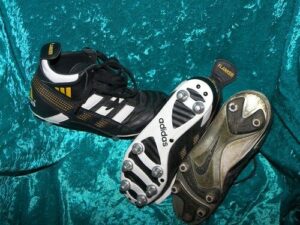
The *studs* on soccer cleats are a game-changer when it comes to traction. Unlike regular shoes, which have flat soles, soccer cleats feature strategically placed studs to provide grip on both firm and soft fields. This design enables sudden stops, swift sprints, and agile maneuvers, allowing your child to perform at their best without slipping. Knowing that they can trust their footwear enhances their confidence on the field.
Fit and Support: Why Shape Matters for Performance
A proper fit is fundamental in a pair of soccer cleats, affecting both comfort and performance. Each cleat is constructed with an anatomical shape that complements the natural contours of your foot, offering necessary support where you need it most. The *heel cup* stabilizes your foot during quick lateral movements, while the *sleeve-like construction* wraps around your foot for a snug fit. This tailored approach not only minimizes the risk of blisters or discomfort but also maximizes agility.
When choosing soccer cleats, prioritize the fit to ensure your child’s foot feels secure and fully supported throughout the game. A snug fit prevents unnecessary foot movement inside the cleat, which can lead to missteps or injuries. Additionally, many brands offer *supportive linings* that mold to your child’s foot shape over time, providing increased comfort and preventing fatigue during matches. Investing in the right fit makes a significant difference in performance and enjoyment on the field.
Health and Safety: Protecting Growing Feet
Choosing the right footwear for your child isn’t just a question of style; it’s vital for their overall health and safety. Soccer cleats are designed to support young athletes’ growing feet by providing the proper arch support, cushioning, and traction needed on the field. Proper footwear can help to prevent issues like blisters, plantar fasciitis, and other common injuries that can arise from inadequate support.
Injury Prevention: The Role of Proper Footwear
Proper footwear plays an crucial role in injury prevention. Soccer cleats offer specific traction patterns and support that help reduce the risk of slips, falls, and twists. They are designed to keep your child’s feet stable and secure during explosive movements like sprinting, stopping, and cutting, minimizing the chance of ankle sprains and other injuries.
Impact on Development: Long-Term Foot Health Considerations
Long-term foot health can be influenced significantly by the type of shoes your child wears for sports. Quality soccer cleats not only support foot alignment and muscle development but can also encourage healthy walking and running patterns. Conversely, regular shoes often lack the structure needed for high-intensity sports, leading to potential developmental issues down the road.
Neglecting appropriate footwear during critical growth periods can result in long-term problems such as misalignment, chronic pain, and even conditions like flat feet. Wearing supportive soccer cleats ensures proper foot mechanics, which can contribute to healthy joint development and predict how well your child will perform in sports and daily activities. The right shoes can lead to better movement efficiency and a lower risk of injuries, which is vital for active children transitioning into their teen years. Investing in soccer cleats is more than just a purchase; it’s an investment in your child’s physical development.
Performance Versus Casual Use: When to Choose What
Selecting between soccer cleats and regular shoes involves understanding the context of use. If your child is participating in competitive matches, training sessions, or practices, the specialized design of soccer cleats will significantly enhance their performance. In contrast, for everyday activities like running errands or playing casually in the park, a regular pair of shoes might suffice. It’s about matching the footwear to the activity for optimal comfort and efficacy.
The Competitive Edge: Enhancing Game Play with the Right Cleats
Soccer cleats are engineered with features that offer a competitive edge on the field. The unique stud patterns improve traction, allowing for swift direction changes and acceleration without the risk of slipping. The lightweight materials enhance agility, while the TPU (thermoplastic polyurethane) outsoles provide the necessary support for lateral movements. These aspects are fundamental in boosting your child’s performance during intense games.
Everyday Use: Why Regular Shoes Fall Short
Using regular shoes for soccer can lead to poor performance and potential injuries. Unlike specialized cleats, everyday footwear lacks the necessary support and traction for quick pivots and sudden stops on the field. This absence of design considerations means kids are more prone to slips, falls, and even sprained ankles. Additionally, regular shoes don’t provide the same level of comfort or fit, which can detract from their overall game enjoyment. A correctly fitted soccer cleat therefore not only enhances performance but also offers your child the peace of mind that comes with being properly equipped.
The Cost Factor: Evaluating Value for Athletic Footwear
Investing in the right footwear can elevate your child’s performance on the field, making it crucial to understand value over mere price. Soccer cleats often come with a higher initial cost than regular shoes, primarily due to advanced materials and design tailored for specific movements and turf interactions. However, when evaluating spending, consider not only the price tag but also factors like durability, support, and comfort, which can ultimately prolong the life of the shoe and enhance your child’s playing experience.
Budgeting for Gear: What Parents Should Know
Setting a budget for sports gear is a necessary step for parents. Soccer cleats can range from $30 to over $200, depending on brand, quality, and features. Factor in your child’s growth spurts and the frequency of replacement when planning your budget. Always compare options to find a pair that balances quality and cost, ensuring your investment serves your child well throughout the season.
Longevity versus Initial Investment: Making Smart Choices
Focusing on longevity can dramatically affect your overall spending on athletic footwear. Investing in a higher-quality pair of soccer cleats might seem daunting at first, yet it often proves to be cost-effective in the long run. Shoes designed for competitive play typically have just the right grip, support, and materials to withstand repeated use, reducing the necessity for frequent replacements.
By choosing a well-constructed pair of cleats that can endure the rigors of the game, you save money over time. For example, a mid-range pair of cleats priced at $100 might last an entire soccer season, while cheaper options at $50 may only last a few months. That extra $50 can be negligible when you consider the performance improvement and the avoidance of additional purchases. Applying this strategy not only encourages your child to perform better but also instills a sense of value in investing wisely for their athletic pursuits.
Parental Perspectives: Navigating Choices in Youth Sports Footwear
Choosing the right footwear for your child can become overwhelming amid competing opinions and marketing messages. As a parent, you need to balance cost, performance, and safety while considering the unique needs of your child. Involving your kids in understanding the function of their footwear helps them appreciate their role in sports. Researching and reading reviews can provide insights, and talking to fellow parents or coaches enhances your decision-making process. Prioritizing your child’s comfort and the nature of the sport will lead you to make informed choices that support their athletic journey.
Common Misconceptions: Debunking Myths About Kids’ Shoes
Many misconceptions surround the idea of specialized footwear for youth sports. One common myth is that any athletic shoe can perform the same as soccer cleats; however, cleats are designed specifically for traction on grass and turf, reducing the risk of slips and injuries. Additionally, some believe that investing in high-end shoes equates to better performance, but the perfect fit and appropriate design for the sport are far more significant factors.
Expert Recommendations: Insights from Coaches and Pediatricians
Coaches and pediatricians consistently emphasize the importance of appropriate footwear for young athletes. They recommend shoes that provide support, stability, and specific features suited to the sport. Coaches often note that using the right equipment can enhance performance and reduce injury risks. Pediatricians highlight that poorly fitted shoes can lead to growth-related issues, such as foot deformities or chronic pain, over time. Following expert advice subsequently translates into better athletic experiences for your child.
Further insights from professionals reveal that the transition to sport-specific footwear should be approached gradually. Coaches advocate for trials with different models to determine the best fit for your child’s foot shape and running style. Pediatricians also suggest considering the child’s age and development stage, as young feet are still growing and require well-structured shoes that allow for natural movement. Investing in well-fitted soccer cleats not only improves your child’s performance but also supports their long-term foot health. Selecting the right footwear ultimately ensures that they enjoy their sporting journey safely and effectively.
Summing up
Presently, choosing between soccer cleats and regular shoes for your child is necessary for both performance and safety on the field. Soccer cleats provide the necessary traction, support, and protection that regular shoes cannot offer, enhancing your child’s playing experience. Opting for the right cleats ensures they can maneuver effectively, reducing the risk of injuries and improving their overall game. Therefore, investing in a good pair of soccer cleats is not just a choice; it’s an investment in your child’s athletic development and enjoyment of the sport.
Q: Why are soccer cleats necessary for playing soccer?
A: Soccer cleats are specifically designed to provide the traction needed on the field, helping players maintain stability during quick movements and changes in direction. The cleats’ pointed studs dig into the grass or turf, reducing the risk of slipping compared to regular shoes, which can be flat and lack grip. Additionally, soccer cleats often have a tighter fit to enhance control of the ball, making them ideal for the sport.
Q: What should parents look for when buying soccer cleats for their kids?
A: Parents should consider several factors when purchasing soccer cleats for their children. First, ensure that the cleats fit well; there should be no excessive slipping or tightness around the foot. Next, check the material; cleats made from synthetic materials tend to be lighter and more water-resistant, while leather may offer better control and comfort but can be heavier. Lastly, parents should choose the appropriate stud configuration based on the playing surface—shorter studs for firm ground and longer studs for soft or muddy areas.
Q: Can kids play soccer in regular shoes?
A: While kids may be able to play soccer in regular shoes for casual games, it is not advisable for serious play or practice. Regular shoes usually lack the necessary grip and support needed for the sport, which can lead to slips or injuries. Moreover, they do not offer the same level of ball control and maneuverability that soccer cleats provide. Therefore, for any dedicated soccer activities, investing in a good pair of soccer cleats is highly beneficial for safety and performance.