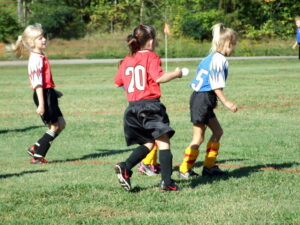
Ball control is an crucial skill that can make or break your performance on the field. As a young player, you can enhance your abilities right at home with engaging and fun drills that not only improve your ball handling but also keep you motivated. This blog will guide you through a series of exercises designed to develop your coordination, touch, and confidence, all while enjoying your training sessions. So, let’s dive in and explore how you can transform your ball control skills in a playful and effective way!
Key Takeaways:
- Incorporate variety in ball control drills by using household items like cones, chairs, or even walls to create fun and engaging obstacle courses.
- Utilize playful activities like juggling or keepie uppies to make practice enjoyable while improving touch and coordination with the ball.
- Set specific goals for each practice session, such as completing a certain number of successful touches or maintaining ball control for a set duration to track progress.
Understanding Ball Control
A strong understanding of ball control is vital for any young player looking to improve their soccer skills. Mastering ball control allows you to confidently handle the ball in various game scenarios, giving you greater freedom to execute plays, dodge opponents, and create scoring opportunities. When you have good ball control, you can make accurate passes, take effective shots, and maintain possession under pressure. These skills are not only vital in games but also contribute to your development as a well-rounded player. With practice, you can achieve finesse with the ball, making you a valuable asset to your team.
Importance of Ball Control for Young Players
Ball control is the foundation of your soccer capability. When you improve your ball control, you enhance your overall playing experience and performance during matches. It enables you to maintain possession, creating a significant advantage for your team. Without sufficient ball control, you may struggle to execute basic skills, which can diminish your confidence on the field. Strong ball control helps you to dictate the pace of the game, allowing you to make sharper decisions and outmaneuver your opponents.
Key Skills to Develop
On your journey to mastering ball control, there are several key skills you should focus on. These include dribbling, passing, receiving, and shielding the ball. Each element is interconnected, contributing to your overall proficiency with the ball. As you practice dribbling, you will learn to maneuver effectively, while passing enhances your ability to share the ball with teammates. Receiving the ball is vital for controlling it smoothly, and shielding helps in protecting the ball from opponents. Together, these skills create a solid foundation for your development as an adept player.
Due to the interconnected nature of these skills, you need to develop them in tandem for optimal results. When you practice dribbling, ensure that your passing is also sharp and your receiving techniques are precise. Consistent practice will help you build muscle memory, making it easier to perform under pressure during games. Incorporating fun drills at home can keep you engaged while reinforcing these key components of ball control. By focusing on these vital skills, you will see remarkable improvements in your overall gameplay.
Creating a Home Training Environment
The first step to mastering ball control is setting up an effective training environment in your home. By creating a dedicated space for your practice, you enhance your focus and motivation. Ensure you have a well-defined area where you can move freely without distractions, as this will allow you to concentrate on *developing your skills* and executing the drills effectively. Utilizing both indoor and outdoor spaces can add variety to your training routine, so transitioning between these environments can keep things engaging.
Space Requirements
Across your home, you should find a suitable space that allows sufficient room for movement and ball control exercises. An area of at least 10 feet by 10 feet is typically sufficient for most basic drills, but if you have a larger outdoor space such as a backyard or driveway, this can provide even more opportunities for practice. Make sure the ground is level and safe, as this will help in preventing injuries and will give you the confidence to focus on your technique.
Equipment Needed
Against common misconceptions, you don’t need an extensive array of equipment to improve your ball control. A regulation-sized soccer ball is important, but you can also benefit from smaller balls, which can help refine your touch. Other useful items might include cones or markers to set up dribbling courses and a wall to practice passes and rebounds. Basic items like *a stretch band or agility ladder* can also add variety to your training routine, enhancing coordination and speed.
This equipment not only aids in your practice but also keeps training sessions lively and interactive. Utilizing items you already have at home, like old shoes or bottles for obstacle courses, can promote creativity in your drills. By being resourceful, you can *maximize your home training potential*, ensuring each session is productive and fun while developing your ball control skills effectively.
Fun Drills to Improve Ball Control
Unlike many traditional training methods that can sometimes feel monotonous, incorporating fun drills into your ball control exercises can significantly boost your skills while keeping you engaged. By turning practice into a game-like experience, you can develop your touch, balance, and dexterity without the pressure of a formal training environment. This approach not only enhances your ball control abilities but also infuses your training sessions with enjoyment, making them something you look forward to rather than view as a chore.
Dribbling Exercises
Beside focusing on technical skills, dribbling exercises can be an entertaining way to improve your ball control. Set up a series of cones in your backyard or any open space to create a dribbling course. You can challenge yourself by timing how quickly you navigate through the cones while maintaining control of the ball. By incorporating variations—such as using only one foot, switching direction suddenly, or performing step-overs—you can sharpen your agility while making your drills feel like a game instead of a workout.
Juggling Techniques
Techniques such as juggling are not only a classic method for improving ball control but are also incredibly fun and rewarding. By constantly keeping the ball in the air using your feet, thighs, or even your head, you will develop a heightened sense of awareness and precision regarding your touch. Start with just a few touches and gradually increase your numbers as you become more comfortable. This simple yet engaging activity can lead to better balance and hand-eye coordination over time.
This stake in juggling not only contributes to enhancing your ball control but also builds your confidence with the ball at your feet. You can challenge yourself to set personal records or even introduce friends to the fun, fostering a competitive spirit. The more you practice juggling, the more you’ll notice an improvement in your overall touch and ability to handle the ball under pressure, enhancing your overall game. Don’t forget to explore different juggling styles and techniques that can add variety, making the process even more enjoyable.
Incorporating Games into Practice
Once again, making practice enjoyable is key to mastering ball control. By incorporating games into your training routine, you can turn repetitive drills into stimulating challenges that build your skills while keeping your motivation high. Not only will this enhance your ball control, but it will also foster a competitive spirit and boost your confidence with the ball at your feet. From solo challenges to activities with family or friends, creating a dynamic practice environment will accelerate your growth as a player.
Solo Challenges
Practice fun solo challenges to enhance your ball control at home. For instance, set a timer and see how many times you can keep the ball in the air using just your thighs and feet. This not only improves your sensitivity to the ball but also builds your coordination and balance. You can gradually increase the difficulty by implementing variations like alternating feet or incorporating touches with different body parts, such as your head or knees. The key is to track your progress, set personal records, and challenge yourself continuously.
Competitive Activities with Family
For a more interactive experience, engage your family members in competitive activities that sharpen your ball control skills. Create a small obstacle course in your backyard or living room using cones, chairs, or even household items. You can set goals for yourself, such as dribbling through the course in the shortest time possible, or challenge your family members to beat your time. Not only will this spice up your practice, but you will also enjoy quality time with those closest to you.
Another fantastic way to incorporate competitive activities is by organizing mini-tournaments or skills challenges with your family. For instance, you can set various tasks, like who can juggle the ball the longest or perform the most tricks successfully. This friendly competition can create a fun environment while helping you develop your ball control and technical skills. Plus, the positive interactions with loved ones will serve as a fantastic motivation to keep practicing and improving your game.
Tracking Progress and Setting Goals
Now, keeping track of your progress and setting clear goals are fundamental elements in mastering ball control. By tracking your development, you will gain insights into your strengths and areas for improvement. Make it a habit to review your daily or weekly performances so you can celebrate your achievements and push through any challenges you may encounter. Furthermore, setting well-defined goals will give you a roadmap to follow, making your practice sessions more focused and productive.
Keeping a Practice Journal
Journal your practice sessions, recording the drills you completed, the duration of your workouts, and any thoughts on your performance. This will allow you to identify patterns over time, helping you to understand which drills yield the best results for you. Additionally, writing down your feelings before and after practices can provide insight into your mindset and how it may affect your ball control capabilities.
Setting Achievable Milestones
Journal about the milestones you want to achieve and the timeline for reaching them. Setting small, achievable milestones can significantly boost your motivation and maintain your interest in improving your skills. For example, you might decide to perfect a specific juggling technique or increase your accuracy in passing within a month.
With setting achievable milestones, consider creating a system where each goal builds upon the last. Start with a fundamental skill, achieve that, and then move on to a more advanced technique. By doing this, not only do you create a structured path for improvement, but you also gain valuable confidence as you progress. Celebrating small victories along the way can keep your enthusiasm alive and make mastering ball control a rewarding journey rather than a daunting task.
Engaging with Online Resources
Your journey to mastering ball control can be greatly enhanced by taking advantage of the wealth of online resources available today. Engaging with various platforms not only provides valuable information but also keeps your training sessions exciting and dynamic. By utilizing these online tools, you can transform your practice at home into a structured and enjoyable experience that will lead to improvement in your ball control abilities.
YouTube Tutorials
After submerging into the expansive world of YouTube tutorials, you’ll discover an incredible selection of videos designed specifically to enhance your ball control. Channels dedicated to soccer training offer step-by-step guides on drills, tips, and techniques from experienced players and coaches. Engaging with these instructional videos allows you to visualize the skills being demonstrated and follow along in the comfort of your home. Make sure to choose content suitable for your skill level, as the variety ranges from beginner-friendly exercises to advanced challenges that will push your limits.
Interactive Training Apps
Among the various online resources, interactive training apps have gained popularity for their innovative approach to skill development. These applications offer a range of drills specifically focused on ball control, enabling you to practice anytime and anywhere. You can track your progress, set goals, and even receive instant feedback, making your training sessions more efficient and enjoyable.
Hence, these apps often feature videos, tutorials, and engaging challenges that keep you motivated throughout your training. Many of them provide customized training programs tailored to your specific needs and skill level, ensuring that you are always improving. Additionally, some apps have a community aspect, allowing you to connect and compete with other players, further enhancing your practice experience. By utilizing these interactive tools, you can develop your ball control skills in a fun and engaging way, all while staying connected with fellow soccer enthusiasts.
To Wrap Up
Considering all points, mastering ball control at home can be an enjoyable and rewarding experience for young players. By utilizing fun drills that focus on various aspects of ball handling—such as dribbling, juggling, and controlling the ball in confined spaces—you can significantly improve your skills in a relaxed environment. Incorporating everyday household items, such as cones or even chairs, can add creative challenges to your practice sessions, making them both engaging and effective. The more you practice, the more comfortable you will become with the ball at your feet, ultimately enhancing your game on the field.
Moreover, focusing on consistency and progress will help you track your improvements over time. By setting specific goals for each practice session, you maintain motivation and a sense of achievement. Engaging with friends or family members can also foster a positive atmosphere, transforming skill development into a social event. Ultimately, with dedication and the right drills tailored to your preferences, you can develop a solid foundation in ball control that will benefit your overall soccer performance.
Q: What are some fun drills young players can do at home to improve their ball control?
A: Young players can engage in several enjoyable drills at home to enhance their ball control. One effective drill is the “Juggling Challenge,” where players try to keep the ball in the air using their feet, thighs, and head. It’s engaging to set personal or family goals for the number of juggles. Another drill is “Around the World,” where players tap the ball around their body in various directions while maintaining control. Setting up a small target with cones or shoes can turn this into a fun game as players attempt to hit the target while dribbling. Lastly, the “Dribble and Dance” drill involves creating a dance routine that incorporates dribbling the ball around various household items, combining movement and rhythm to develop touch and control.
Q: How can young players use household items to create effective ball control drills?
A: Household items can serve as excellent tools for fun ball control drills! For instance, players can use laundry baskets or boxes as targets to practice passing and aim. Placing these items at different distances can add variability to the practice. Additionally, using cones made from plastic bottles can help set up obstacle courses for dribbling drills, encouraging players to navigate through them elegantly. Even a simple piece of tape on the floor can serve as a guide to help with balance while practicing controlling the ball. Utilizing these items not only makes practice entertaining but also helps develop skills in a creative manner.
Q: How does practicing ball control at home benefit young players in their overall game performance?
A: Practicing ball control at home can significantly enhance young players’ overall game performance. Improving ball control translates to better dribbling, passing, and receiving skills during matches. Regularly engaging in fun drills allows players to develop muscle memory, which leads to more natural and instinctive ball handling on the field. Furthermore, practicing in a comfortable home environment builds confidence, as players can experiment with different techniques without the pressure of a competitive setting. This confidence transfers to games, allowing players to make decisions quickly and effectively under pressure. By consistently integrating enjoyable ball control exercises into their routine, young players will find themselves improving steadily over time.