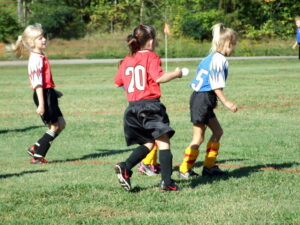
With your child’s early exposure to soccer, you can foster not only their physical skills but also a love for teamwork and sportsmanship. Many experts suggest that children as young as 4 or 5 years old can begin with basic skills and fun activities, ensuring a positive introduction to the game. It is vital, however, to consider aspects like physical development and emotional readiness when deciding on the right time for your child to begin. In this post, we will explore the best age to start playing soccer and the factors to keep in mind for a supportive experience.
Key Takeaways:
- Children can begin playing soccer as young as 3 to 4 years old, focusing on basic motor skills and developing a love for the game.
- Participating in organized soccer usually becomes more effective around ages 6 to 8 when kids can understand rules and teamwork.
- It’s important for parents to prioritize enjoyment and skill development over competitive pressure in early stages of play.
Optimal Developmental Stages for Soccer
Understanding the optimal stages of development for your child can greatly enhance their soccer experience. Engaging with the sport at the right times fosters physical, social, and emotional skills necessary for both play and life. Each developmental phase presents unique opportunities to cultivate a love for soccer while honing vital skills that can set the foundation for future success.
Early Childhood (Ages 4-6): The Foundations of Play
In early childhood, your focus should be on fostering enjoyment and basic motor skills through playful activities. At this age, structured games are less important than letting your child experience the joy of kicking a ball and running freely. Encourage participation in fun exercises that develop coordination, balance, and spatial awareness, which are critical for future athletic endeavors.
Mid Childhood (Ages 7-10): Skill Acquisition and Team Dynamics
From ages 7 to 10, your child transitions into an vital phase of skill acquisition and learning about teamwork. Practices become more structured, introducing fundamental techniques such as dribbling, passing, and shooting. This age is also pivotal for understanding the dynamics of working with teammates, where social skills develop alongside athletic abilities.
During this stage, the emphasis on structured soccer programs helps your child grasp not only the technical aspects of play but also the importance of teamwork and communication. Participating in team practice promotes bonding with peers while enhancing strategic thinking and decision-making on the field. This age group is perfect for introducing competitive play in a supportive environment, allowing your young athlete to gain confidence. A study by the American Academy of Pediatrics has shown that kids involved in team sports at this age are more likely to develop a lifelong appreciation for physical activity, as well as improved social skills and emotional resilience.
Cognitive and Physical Benefits of Early Soccer Engagement
Engaging in soccer at a young age offers an array of cognitive and physical benefits necessary for your child’s development. Early participation influences their health positively and promotes vital mental skills. The combination of physical activity and social interaction helps children develop better coordination, build self-confidence, and enhance their ability to think strategically. These benefits not only contribute to improved athletic performance but also positively affect their academic pursuits and social skills.
Enhancing Motor Skills and Coordination
Regular soccer practice enhances your child’s motor skills and coordination through a variety of dynamic movements. Dribbling, passing, and shooting require fine-tuned motor control, which leads to better balance and agility. These physical activities also promote muscle development and spatial awareness, equipping your child with a strong foundation for sports participation and everyday activities.
Cognitive Growth Through Team Interaction
Team soccer fosters your child’s cognitive growth by encouraging critical thinking and decision-making skills. As players communicate and strategize, they learn to anticipate each other’s movements, leading to improvements in spatial awareness and situational judgment. These experiences translate to better academic performance as children master skills like teamwork, problem-solving, and adapting to changing circumstances.
Participating in team activities such as soccer provides a rich environment for your child to engage socially and emotionally. These interactions compel them to work collaboratively towards shared goals, enhancing their ability to listen, negotiate, and express themselves articulately. Studies show that children involved in team sports are more adept at handling interpersonal relationships and possess greater emotional intelligence. The ongoing responsibilities of teamwork and role awareness are invaluable as they navigate both sports and everyday life, leading to lifelong benefits beyond the soccer field.
Social and Emotional Growth Through Soccer
Engaging in soccer during childhood fosters significant social and emotional development. This team-oriented sport teaches kids to navigate various social dynamics, understand their emotions, and manage stress. Players learn to celebrate victories while gracefully handling losses, which cultivates emotional resilience. The energetic environment promotes a sense of community and belonging, instilling vital life skills that extend beyond the field.
Building Confidence and Resilience on the Field
Successes and setbacks in soccer contribute to building confidence and resilience in young players. Overcoming challenges like missing a goal or facing a tough opponent enhances their ability to cope with adversity. Each game presents opportunities for personal growth, which empowers kids to approach not just sports but all aspects of life with a newfound strength.
The Importance of Teamwork and Communication Skills
Playing soccer helps you refine teamwork and communication skills important for collaboration. As children work together to achieve common goals, they develop the ability to articulate their thoughts and ideas effectively. Learning to listen to teammates and strategize collectively fosters a spirit of cooperation increasingly valued in social and academic contexts.
In soccer, teamwork often dictates success; therefore, your child becomes adept at understanding their role and responsibilities as well as those of their teammates. Effective communication is necessary both on and off the field, from calling for the ball to discussing tactics during breaks. These interactions not only enhance on-field performance but also translate into better relationships with peers, making it easier for them to navigate diverse social situations. Ultimately, these skills equip your child with the tools necessary for future success in various collaborative environments.
Considerations for Parents: Balancing Fun and Competition
Finding the right balance between fun and competition is necessary in your child’s soccer experience. Encouragement and enjoyment should take precedence over winning at all costs, especially in early development stages. Fostering a love for the game will help your child thrive, both on and off the field. When the focus shifts from performance to play, children are more likely to cultivate a lifelong passion for sports, rather than developing anxiety around competition.
Identifying the Right Coach and Program
Choosing an appropriate coach and program can significantly impact your child’s soccer experience. Look for coaches who prioritize skill development, teamwork, and positive reinforcement over aggressive tactics. Programs that promote a healthy balance of competition and enjoyment will provide your child with the support and encouragement they need to grow. Research different local organizations, read reviews from other parents, and attend a few sessions to gauge the environment before diving in.
The Role of Parents in Encouraging Participation
As a parent, your involvement and attitude towards soccer can greatly influence your child’s enthusiasm for the game. Supporting their participation by attending games, cheering them on, and encouraging practice will boost their confidence and enjoyment. In addition, creating a supportive environment at home where they feel free to express their feelings about the sport, whether excitement or frustration, allows for open communication and fosters their passion for soccer.
Your role extends beyond mere attendance; engaging in conversations about their experiences fosters a deeper connection to the sport. Sharing your own soccer memories or participating in casual play can demonstrate your investment in their development. Encourage exploration of various positions or skills, so they discover their strengths while enjoying the game. Ultimately, your encouragement should revolve around helping them find joy in soccer, keeping the atmosphere light and supportive throughout their journey.
Real-World Insights: Voices of Coaches and Parents
Coaches and parents provide invaluable perspectives regarding the best age to start playing soccer. For instance, many coaches advocate for introducing children to soccer around age four or five, emphasizing the importance of fostering a love for the game without the pressure of competition. Parents often echo this sentiment, noting that early exposure allows kids to develop foundational skills and social camaraderie. They stress the joy kids experience when playing with friends, which often outweighs the benefits of formal training at a young age.
Success Stories: Early Starters vs. Late Bloomers
Anecdotal evidence showcases numerous success stories of both early starters and late bloomers in soccer. Some players, who began at ages three or four, exhibit remarkable technical skills and field awareness by their teenage years, often securing spots on elite teams. Conversely, several athletes who started later, around ages 10 or 11, have also reached impressive levels of play, demonstrating that passion and dedication can sometimes eclipse early training.
The Diverse Paths of Youth Soccer Athletes
Each youth soccer athlete commences on a unique journey, often shaped by individual experiences, training environments, and personal dedication levels. Some players blossom under the mentorship of committed coaches and structured leagues, while others thrive in more relaxed, recreational settings. It’s not uncommon for athletes to shift from casual play to higher levels of competition as their skills and interests evolve. Early engagement in soccer can lay a solid foundation, yet many late starters develop impressive skills and adapt quickly, proving that there is no one-size-fits-all approach to success in the sport.
Final Thoughts on the Ideal Age to Kick Off Soccer Careers
Ultimately, the best age to start playing soccer varies widely among kids, but generally, a blend of around age 5 to 7 serves as a solid foundation. During this time, children are developing important motor skills and social abilities that soccer can enhance. Programs like U6 and U8 not only teach the fundamentals of the game but also foster teamwork and communication skills. Delaying entry until ages 8 to 10 can lead to a more solid understanding and appreciation for the game, especially for those drawn to competition. Focus on creating an enjoyable environment that nurtures your child’s passion for soccer, and the right age will often play a role in their long-term success.
Q: What is the best age for a child to start playing soccer?
A: The ideal age for children to begin playing soccer varies, but many start around the age of 4 or 5. At this age, children can learn basic skills in a fun and engaging environment. It’s important to focus on enjoyment and development rather than competitiveness, allowing kids to develop a love for the game.
Q: How can exposure to soccer at a young age benefit children?
A: Early exposure to soccer can provide numerous benefits for children. They will develop important physical skills like coordination, balance, and motor skills. Additionally, playing soccer can teach teamwork, communication, and social skills, fostering friendships and a sense of community among peers.
Q: Are there programs specifically designed for toddlers who want to start soccer?
A: Yes, many local community centers, sports clubs, and recreational leagues offer programs specifically tailored for younger children, often starting from the age of 3. These programs typically focus on basic movements, introduction to the ball, and fun games to develop interest in soccer without the pressure of competition.