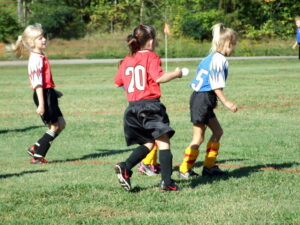
There’s a fine balance when it comes to how often your child should train for soccer. Training too much can lead to burnout and injuries, while not enough can hinder skill development. As a general guideline, aim for about 2 to 3 sessions per week, coupled with one game day. This frequency allows for skill enhancement and recovery, ensuring your young athlete remains engaged and enjoys the sport. Prioritize a mix of practice, rest, and fun to keep their love for soccer alive.
Key Takeaways:
- Children should train 2 to 3 times a week to develop skills and improve their game without risking burnout.
- Emphasize a balance between practice and rest to support the child’s physical and mental development.
- Include a mix of skills training, fitness exercises, and fun activities to keep young players engaged and motivated.
The Optimal Training Frequency for Young Athletes
Determining the right training frequency hinges on various factors including age, skill level, and individual goals. Generally, young athletes should aim for a balance that ensures both skill development and physical health. Training sessions should be focused and purposeful, ideally lasting between 60 to 90 minutes. Most recommendations suggest that youth soccer players train between two to four times per week, which could include a mix of team practices, individual skill sessions, and competitive games to enhance their overall experience while ensuring adequate physical development.
Age-Specific Recommendations
For children aged 6-8, one to two training sessions each week are typically sufficient, focusing primarily on skill development and fun. As they reach ages 9-12, increasing to two to three sessions per week helps build endurance and tactical understanding. Teenagers can handle up to four sessions per week, accommodating more intense practice regimens and skill refinement as their bodies mature and athletic abilities expand.
Balancing Practice with Recovery
Incorporating recovery days into your child’s training schedule is just as vital as practice time itself. Young athletes are still developing physically and can be prone to overuse injuries if they don’t receive adequate rest. Encourage a rhythm that includes one or two rest days a week to allow muscles to repair and adapt. Activities like light stretching or alternative sports on off days can promote active recovery, ensuring your child stays engaged while giving their body a chance to recuperate.
Finding the right balance between practice and recovery not only minimizes injury risk but also supports long-term athletic development. Your child’s body is still growing, and the strain from excessive training can lead to problems such as muscle fatigue and imbalances. Incorporating rest allows muscles to recover and rebuild stronger. Plus, these recovery periods can enhance motivation; as your child returns to the field refreshed, they’re more likely to approach training with energy and enthusiasm, maximizing their potential during practice and games.
Training Intensity: Quality Over Quantity
Focusing on quality over quantity ensures your child develops imperative skills without overwhelming them. Engaging in 2 to 3 training sessions a week allows for intense, purposeful practice, emphasizing techniques, teamwork, and tactical understanding rather than simply increasing the number of hours on the field. Lower intensity practices once or twice a week can reinforce skills through fun drills and exercises while keeping enthusiasm alive. This balanced approach encourages sustained focus and joy in the game.
The Importance of Skill Development
Prioritizing skill development paves the way for your child’s long-term success in soccer. Structured sessions focused on dribbling, passing, and shooting help build a strong foundation. Interactive drills and small-area games promote not only individual skills but also teamwork, decision-making, and spatial awareness, enabling your child to thrive during matches.
Risk of Burnout from Excessive Training
Excessive training often leads to burnout, negatively impacting your child’s passion for soccer. When young athletes feel overwhelmed by rigorous schedules, it can stifle their love for the game and lead to decreased performance on the field.
Children may face increasing pressure from coaches, parents, or themselves to continuously perform at high levels, often resulting in fatigue or a sense of dread about training. This burnout can manifest physically, with injuries or chronic fatigue, as well as mentally, where they might express disinterest or anxiety about participation. Balancing hard work with appropriate recovery and maintaining a playful environment during practices can mitigate these risks, allowing your child to enjoy the sport for years to come.
Factors Influencing Training Schedules
Your child’s training schedule is influenced by a variety of factors that can impact their overall development in soccer. Key aspects to consider include:
- Age
- Physical maturity
- Skill level
- Mental health
- Team commitments
Recognizing these factors allows you to tailor training sessions that maximize your child’s potential while ensuring they maintain a healthy balance between sport and other life commitments.
Individual Physical and Mental Health Considerations
Your child’s unique physical and mental health needs play a vital role in determining their training schedule. If they are recovering from an injury, they may require less intensive training until they regain full strength. Likewise, mental well-being is equally important; maintaining enthusiasm for the game is imperative, and too much training can lead to burnout. Monitoring their overall health will help you keep their training aligned with what they can realistically manage.
Team Dynamics and Competition Schedules
Understanding the dynamics of your child’s soccer team is critical, especially when it comes to competition schedules. If the team has upcoming tournaments or matches, training may need to increase to ensure preparedness. Close communication with coaches can clarify the team’s needs, allowing you to balance your child’s individual training goals with those of the team. Regular practices leading up to competitions helps build team cohesion and ultimately boosts performance.
Staying attuned to team dynamics can further enhance or adjust your child’s training schedule. For instance, if the team is preparing for a championship, extra practice sessions may be beneficial to strengthen teamwork and tactical understanding. Conversely, if there’s a lull in the schedule, it might be a good opportunity to focus on individual skills or even take short breaks to avoid fatigue. Adapting training plans according to team competitions ensures your child is not only prepared but also feels a sense of belonging within the team structure.
Structuring Effective Training Sessions
Effective training sessions combine skill development, tactical understanding, and physical conditioning in a way that optimizes player improvement. You want to design each session with clear objectives, balancing intensity with fun. Establish a mix of drills that target different elements of the game, including individual skills, teamwork, and game scenarios. Keeping sessions dynamic and varied helps maintain player motivation and promotes learning through engagement. Setting aside time for both structured activities and free play encourages creativity on the field, making players more adaptable and confident in their abilities.
Incorporating Fun and Engagement in Drills
Injecting fun into your drills makes training more enjoyable for young athletes, increasing attendance and participation. Incorporate games that promote skill-building without the pressure of competition. Activities like “Simon Says” for footwork or small-sided games that encourage quick decision-making foster both joy and learning. Using engaging themes or competitions can further enhance the training experience. Think about unique variations on classic drills, such as obstacle courses that challenge agility, to keep players excited and eager to learn.
Varied Training Focus: Technical Skills vs. Physical Conditioning
Balancing technical skills with physical conditioning is important for developing well-rounded soccer players. Dedicated time within each training session should be allocated to improving both aspects. While dribbling, passing, and shooting build technical proficiency, incorporating aerobic drills and strength training enhances overall fitness. For instance, integrating high-intensity interval training (HIIT) within technical drills helps improve endurance while simultaneously honing skills. Achieving this balance ensures your players excel not just in individual performance, but collectively as a cohesive team on the field.
To emphasize the synergy between technical skills and physical conditioning, consider your session’s objectives and player age groups. Younger players typically benefit from a higher emphasis on learning foundational soccer techniques in a fun, engaging way. Conversely, as players mature, gradually introducing conditioning elements—like sprinting and agility drills—becomes necessary. For example, organizing a small-sided game followed by sprints can mirror real match scenarios, helping players improve their game intelligence while increasing their fitness levels. Ultimately, a well-rounded approach to training is key in nurturing future soccer stars.
The Role of Parental Support and Guidance
Your support as a parent can significantly influence your child’s soccer experience. Actively participating in their journey—whether attending games, helping with practice, or discussing strategies—creates a nurturing environment that encourages personal growth and enjoyment. For instance, by celebrating their accomplishments and providing comfort during setbacks, you foster resilience and a lifelong love for the sport.
Encouraging Healthy Habits and Attitude
Navigating Pressure and Expectations
Summing up
Taking this into account, determining how often your kids should train for soccer depends on their age, skill level, and commitment. Generally, young players can benefit from 2-3 practice sessions per week, while older or more serious athletes might train up to 4-5 times weekly. Balancing practice with rest and play is necessary for your child’s development and enjoyment of the sport. Adapt the training frequency as your child grows, ensuring they stay engaged and motivated while developing their skills effectively.
Q: How often should young children train for soccer each week?
A: For young children, training two to three times a week is generally recommended. This frequency allows them to develop their skills progressively while also ensuring they have enough time to rest and recover. Additionally, sessions should be fun and engaging to keep their interest in the sport high.
Q: Is it beneficial for older kids to train more frequently for soccer?
A: As children grow older, especially those aged 12 and above, increasing the training frequency to three to five times a week can be beneficial. This allows for more focused skill development, tactical understanding, and physical conditioning. However, balance is important; ensuring children do not overtrain is necessary to avoid burnout and injuries.
Q: How can parents help their kids maintain a healthy training schedule for soccer?
A: Parents can support a healthy training schedule by encouraging regular practice while also allowing time for other activities and relaxation. It’s important to monitor their child’s enthusiasm and energy levels. Open communication about their feelings towards training can help parents adjust the schedule as needed, ensuring that soccer contributes positively to their overall development.