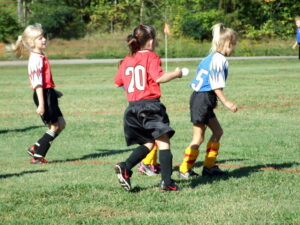
Positioning your child in the right soccer role can significantly affect their development and enjoyment of the game. As a parent, you might feel tempted to influence this decision; however, it’s often best to trust the expertise of the coach. Coaches have the knowledge and experience to assess your child’s skills, strengths, and personality, ensuring they are placed where they can thrive and contribute effectively to the team. Here, we’ll guide you on how to support your child’s soccer journey while allowing the coach to steer them toward the best position.
Key Takeaways:
- Encourage your child to experiment with different positions to discover their strengths and preferences.
- Trust the coach’s expertise and insights; they can provide valuable guidance based on your child’s skills and team dynamics.
- Focus on promoting enjoyment and personal growth in the sport, rather than just winning or performance metrics.
Decoding the Role of the Coach in Position Selection
The coach plays a pivotal role in determining the right position for your child on the soccer field. Their understanding of both the game and each player’s unique strengths allows them to make informed decisions. Coaches assess individual skills, physical attributes, and even the mental aspect of the game to find the best fit for young athletes, ultimately enhancing both their personal growth and team dynamics.
The Coach’s Expertise and Experience
Your child’s coach brings a wealth of knowledge and experience to the table, having spent years studying the game and nurturing talent. This expertise enables them to recognize the nuances of each position and its demands, allowing for tailored guidance that takes into account not only your child’s capabilities but also the strategic needs of the team. A seasoned coach can often see potential where you might only see limitations.
The Importance of Communication Between Parents and Coaches
Effective communication between you and the coach is vital for ensuring your child’s development on the field. By sharing observations, concerns, and insights about your child’s interests and experiences, you create a partnership that enriches the coaching process. Domestically, maintaining a dialogue aids in fostering a supportive environment where coaches feel equipped to make informed decisions regarding position placement.
Building a solid line of communication allows for a greater understanding of your child’s aspirations and the coach’s vision. Regular check-ins, whether through informal conversations after practice or more structured meetings, create opportunities to discuss updates on your child’s progress and adjustments in positioning strategy. This ongoing dialogue not only solidifies trust but also ensures that everyone is aligned in supporting your child’s soccer journey.
Assessing Your Child’s Natural Attributes
Evaluating your child’s natural attributes gives insight into their potential soccer position. Coaches typically assess players based on various factors including their physical traits, skills, and intrinsic personality. Encouraging your child to showcase their abilities can help reveal where they might excel on the field, leading to a more informed position assignment. Watch for their reactions during practice games; this can provide valuable feedback along with guidance from the coach.
Physical Traits and Playing Style
Your child’s physical traits significantly influence their playing style on the field. For instance, taller players may excel as defenders or goalkeepers, while those with quick speed and agility might shine as forwards. Coaches consider these characteristics to match players with positions that favor their strengths, allowing them to perform at their best.
Personality and Team Dynamics
The way your child interacts with others can shape their ideal soccer position. A player who thrives in isolation may find success as a goalkeeper, whereas a naturally sociable child might excel in a forward or mid-field role, where collaboration is necessary. Coaches often notice these dynamics and use them to foster a balanced team.
Understanding your child’s personality can enhance their position selection process. If they tend to be a leader, they may thrive in a central role where they guide team play. Conversely, if they are more reserved, positions that require less direct responsibility may suit them better. Taking into account how your child influences and interacts with teammates helps create a cohesive unit, fostering their development and improving overall team performance. As the coach frequently observes these dynamics, trusting their judgment can lead to an optimal fit for your child.
Exploring Different Soccer Positions
Understanding the various soccer positions is crucial for maximizing your child’s impact on the field. Each role—from the goalkeeper’s critical saves to the forward’s goal-scoring opportunities—requires unique skill sets. The formation chosen by the coach can highlight certain attributes of your child, making it important to consider the balance of the team. Assessing their strengths and preferences will help guide the process of finding the right fit.
The Impact of Position on Game Play
Positioning greatly influences not just individual performance but also team dynamics. For instance, defenders must prioritize stopping attacks and maintaining organization, which impacts offensive strategies. Conversely, forwards are typically tasked with generating scoring opportunities, thus directly contributing to game results. The coach’s strategy, paired with a player’s chosen position, can create an engaging and effective playing style that benefits the entire team.
Skills Required for Each Position
Each soccer position demands a specific set of skills that align with its responsibilities. Goalkeepers need quick reflexes and excellent positioning, while defenders focus on tackling and communication. Midfielders should possess strong stamina and vision to control the game, while forwards must refine their shooting and dribbling skills to exploit chances. By matching your child’s natural abilities to these requirements, you pave the way for them to thrive and enjoy their experience on the pitch.
Focusing on the skills associated with different positions allows you to identify where your child might excel. For example, if your child possesses great speed and agility, they may thrive in a forward position, creating scoring opportunities. Alternatively, if they have a strong understanding of game strategy and can read plays effectively, a midfield role might suit them best. Each position contributes uniquely to the overall team effort, making it vital that your child’s skills align with their chosen role for both personal development and team success.
Emphasizing the Importance of Versatility
Fostering versatility in your child’s soccer journey opens doors to a wealth of opportunities on the field. By allowing them to experience different positions, you help them grasp a deeper understanding of the game, enhancing their overall performance and teamwork. This flexibility not only boosts their confidence but also increases their value to any team, making them more well-rounded players who can adapt to various game situations.
The Benefits of Playing Multiple Positions
Playing multiple positions allows your child to develop a diverse skill set, making them more adaptable during matches. With experience in various roles, they learn how to read the game from different perspectives, creating a deeper appreciation for their teammates’ responsibilities and enhancing their own gameplay. This adaptability becomes a significant asset in competitive situations where team dynamics frequently change.
Encouraging Adaptability and Skill Development
Your child’s growth as a soccer player is significantly influenced by the ability to adapt to various positions. When they’re exposed to different roles, they gain a broader range of technical skills, tactical insight, and physical prowess. This comprehensive training allows them to tackle challenges head-on, boosting their confidence and decision-making capabilities during games. Ultimately, navigating multiple positions ignites a passion for the sport that can lead to long-term enjoyment and success.
For instance, encouraging your child to play as both a forward and a midfielder strengthens their agility, ball control, and strategic thinking. If they play as a defender in one match, they’ll learn about positioning and communication, vital skills for team cohesion. Moreover, various positions help them discover personal strengths and weaknesses, guiding future training focus. As they engage with different roles, they build resilience and creativity that translates into on-field success, making them an indispensable team player.
Trusting the Process: Navigating Your Child’s Journey
As your child grows as a player, trusting the process allows them to develop at their own pace. Emphasizing patience encourages resilience and helps them face challenges productively. You can foster an environment where your child learns that every minute spent training, whether on the field or focusing on individual skills, contributes to their long-term development. Growth might not always be reflected in immediate results, but small, consistent improvements lead to greater mastery over time.
Recognizing Growth Beyond Positioning
Focusing solely on position limits the scope of your child’s potential. They might exhibit strengths that shine outside of their assigned role. Skills such as teamwork, communication, and adaptability grow as they engage in various situations during matches. Encouraging your child to embrace different positions helps cultivate versatility, enabling them to better understand the game and enhance their overall abilities on the field.
Supporting Your Child’s Passion and Enjoyment
When your child genuinely enjoys the game, it translates into better performance and a stronger desire to improve. Celebrate their passion by attending games, discussing their experiences, and fostering a love for soccer beyond just competition. Building a supportive environment further allows your child to pursue their interests and explore various aspects of the game, nurtured by your involvement and enthusiasm.
Your support plays a significant role in your child’s journey as an athlete. Encourage them to follow their instincts and express their feelings about playing. Ask questions and listen to their thoughts about skills they enjoy practicing or aspects of the game that excite them. This interaction not only acknowledges their passion but also constructs a stronger bond between you and your child. By focusing on enjoyment, you create a positive mindset, enhancing their overall soccer experience while simultaneously strengthening their commitment to the sport.
To wrap up
Now that you have a better understanding of how to choose the right soccer position for your child, it’s important to trust the expertise of the coach. Your child’s development and enjoyment of the game are paramount, and a skilled coach can assess their strengths and weaknesses, ensuring they find a position suited to their skills and interests. By collaborating with the coach, you can support your child in optimizing their soccer experience and fostering their love for the sport.
Q: What factors should I consider when helping my child choose a soccer position?
A: When helping your child choose a soccer position, consider their physical attributes, such as speed and height, as well as their technical skills, like ball control and passing ability. Additionally, gauge their understanding of the game and how comfortable they are playing with or without the ball. Personality traits, such as leadership qualities or a preference for teamwork versus individuality, can also influence the suitability of certain positions. Ultimately, engaging in open conversations with your child and their coach can provide valuable insights.
Q: How can a coach assist my child in finding the right position?
A: Coaches are equipped with the knowledge and experience to help players discover their ideal positions. They observe players during practice and games to assess their strengths and weaknesses. Through drills, scrimmages, and regular feedback, coaches can identify where a child excels and suggest positions that complement those skills. They also understand the dynamics of the team and can provide guidance based on the needs of the squad. Collaborating with the coach will ensure that your child’s potential is maximized in the right role.
Q: What should I do if my child wants to play a position they are not suited for?
A: If your child expresses a desire to play a specific position that may not align with their strengths, it’s important to approach the situation with support and understanding. Talk to your child about their reasons for wanting to play that position, and discuss the skills required for it. Encourage them to try various positions during practice or games to gain experience and confidence. Consult with their coach for expert advice on how your child can develop the necessary skills to thrive in that role, or explore opportunities for them to play in areas where they may be more effective.